

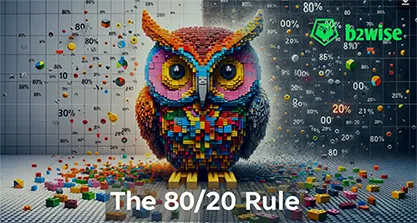

Supply chain planners are expected to manage more than ever before. More SKUs, more suppliers, more customers, more data, more constraints and, inevitably, more exceptions. Yet the amount of time available to make good decisions has not increased at the same pace. This creates a familiar problem. When everything appears important, planners can easily spend

Every year, companies build budgets with good intentions. The goal is clear: align growth targets, sales expectations, financial objectives and operational plans. For leadership teams, the budget gives direction. It sets ambition. It creates a shared view of where the business wants to go. But for inventory planners, the budget can quickly become a problem.

Segmentation is one of the foundations of good supply chain planning. Yet it is often underestimated. In many companies, items are managed with rules that are too generic. The same forecasting methods, stock policies or replenishment rules are applied to products that behave very differently. That is where problems begin. A stable product with regular
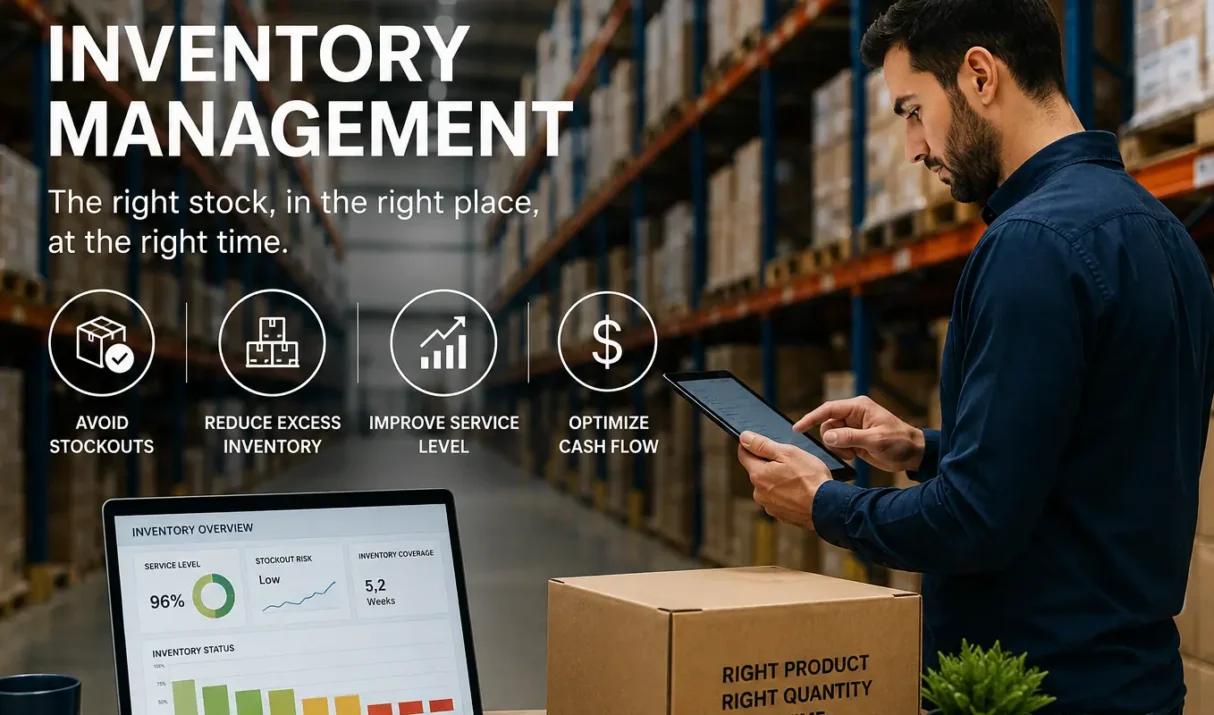
Inventory management is one of the key balancing acts in supply chain. Too little inventory, and the company faces stockouts, delivery delays and lost revenue. Too much inventory, and it ties up cash, increases logistics costs and sometimes hides deeper planning issues. That is what makes the topic so difficult. Good inventory management is not
Looking back over my 30 years in supply chain planning, one thing always stands out: companies that focus on reducing risk multiples achieve faster, more significant, and more sustainable results than those that concentrate on risk sources. What are Risk Multiples? In supply chain management, “risk multiples” are factors that can amplify