

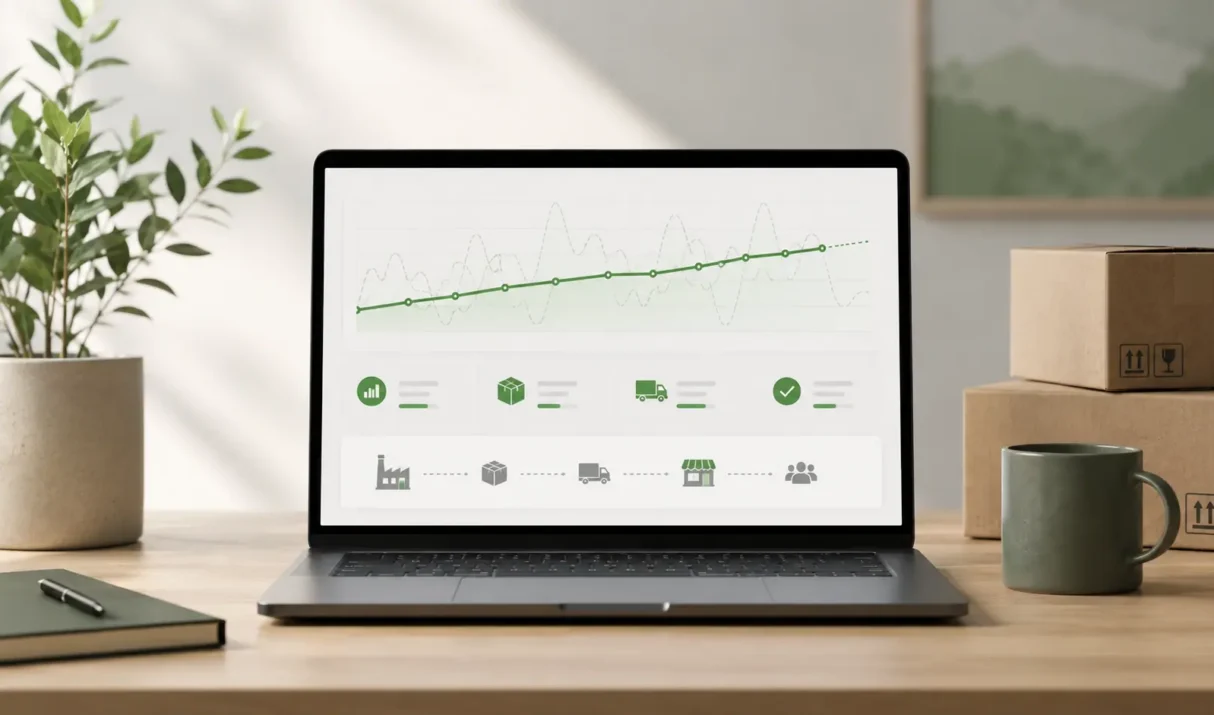

In demand planning, many companies focus heavily on forecast accuracy. They want the forecast to be as close as possible to actual demand. This makes sense: better forecasts can support better decisions around inventory, production, purchasing, capacity and service levels. But accuracy is not the only thing that matters. A forecast can be accurate on

Demand planning and demand forecasting are often used together in supply chain conversations. In many companies, the two terms are even used as if they meant the same thing. But they do not. The difference is simple: demand forecasting estimates future demand, while demand planning turns that forecast into an actionable business plan. Demand forecasting
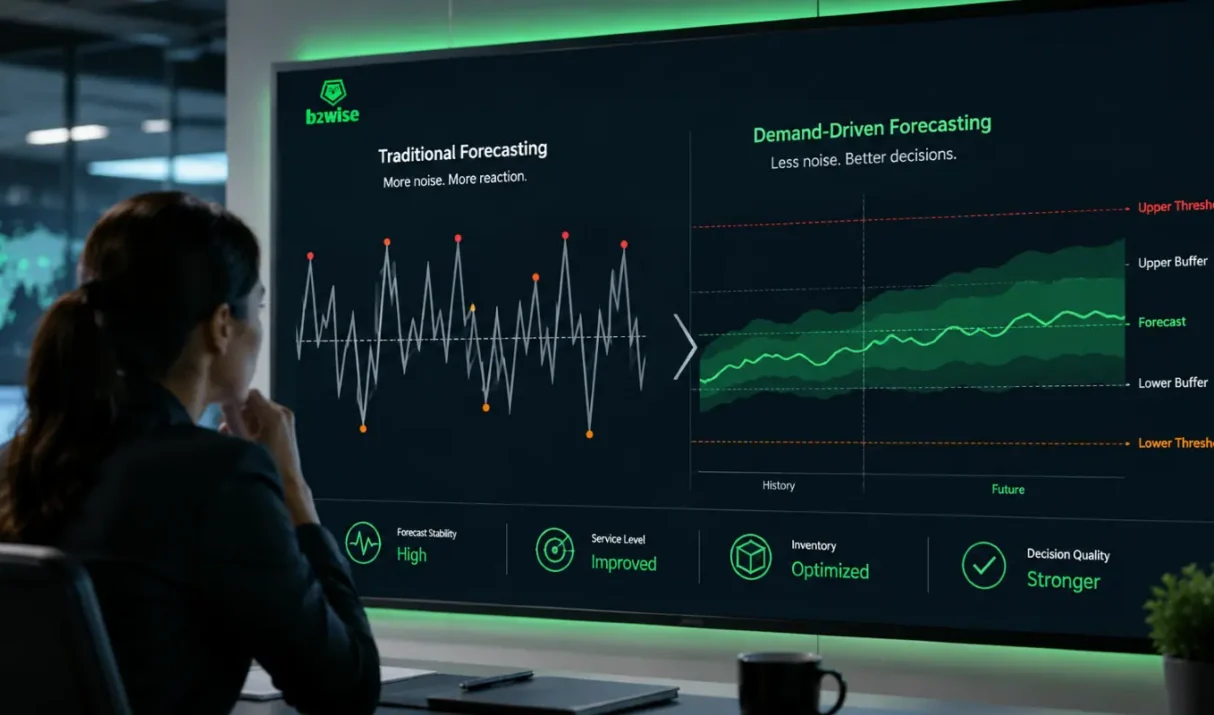
Let’s be honest: forecasting is difficult. Every supply chain team knows the challenge. Demand changes, customers behave unpredictably, suppliers are late, promotions shift volumes and unexpected disruptions can make even the best forecast obsolete. For years, many companies have tried to solve this problem by chasing a more accurate number. They add more data, more

Demand forecasting is one of the most important processes in supply chain planning. It helps companies estimate future customer demand so they can make better decisions about inventory, production, purchasing, capacity and service levels. But demand forecasting is not about predicting the future perfectly. No forecast will ever be 100% accurate. Markets change, customers behave

“Without data, you’re just another person with an opinion.” — W. Edwards Deming In an increasingly unstable environment, this statement resonates more than ever. Today’s supply chains are complex, interconnected and constantly exposed to variability. In this context, making decisions without relying on reliable data is equivalent to moving forward blindly. But one key question
In today’s fast-paced supply chains, many businesses are drawn to flashy new technologies like demand sensing, only to find themselves caught in the chaos of constant changes. While these innovations may seem promising, they often introduce more instability, leading to the dreaded bullwhip effect—where small fluctuations in demand cause massive disruptions across the supply chain.

Introduction In the realm of supply chain management, the significance of forecasting cannot be understated. While the debate around Demand-Driven Material Requirements Planning (DDMRP) has previously suggested it operates without a forecast, I can assure you that a forecast is indispensable, albeit in a unique manner that enables a much more stable planning process.