



Supply chain planning has changed dramatically over the last thirty years. Planning teams now work with more data, more systems, more dashboards and more automation than ever before. Artificial intelligence, advanced algorithms and configurable planning platforms have created new opportunities to improve visibility, forecast accuracy and decision-making. But there is also a risk. In trying
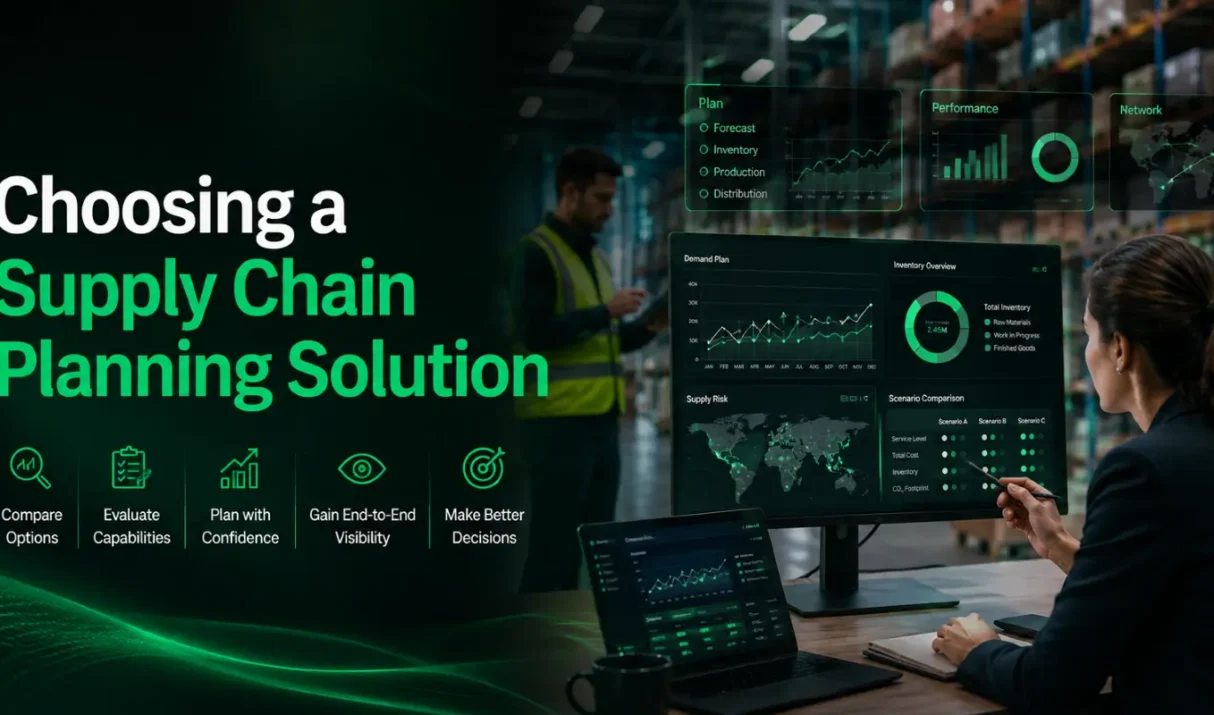
Choosing a supply chain planning solution is not just a software decision. It is a business decision that affects planners, supply chain leaders, operations, IT and finance. The right solution can help teams reduce firefighting, improve visibility, protect service levels and free up cash tied up in the wrong inventory. The wrong solution can do
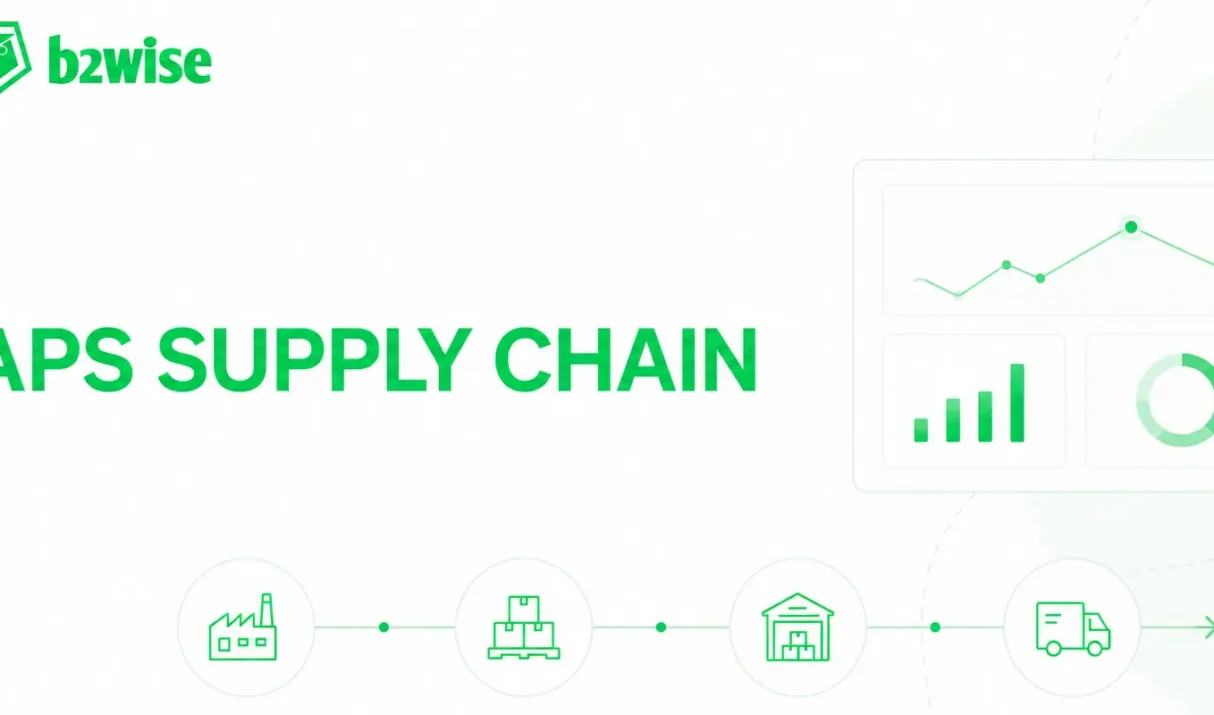
In an increasingly complex supply chain environment, companies need to plan purchasing, inventory, production and capacity with greater accuracy. This is where APS, or Advanced Planning System / Advanced Planning and Scheduling, comes in. An APS supply chain solution is advanced planning software. It helps companies anticipate needs, organize available resources and build more reliable
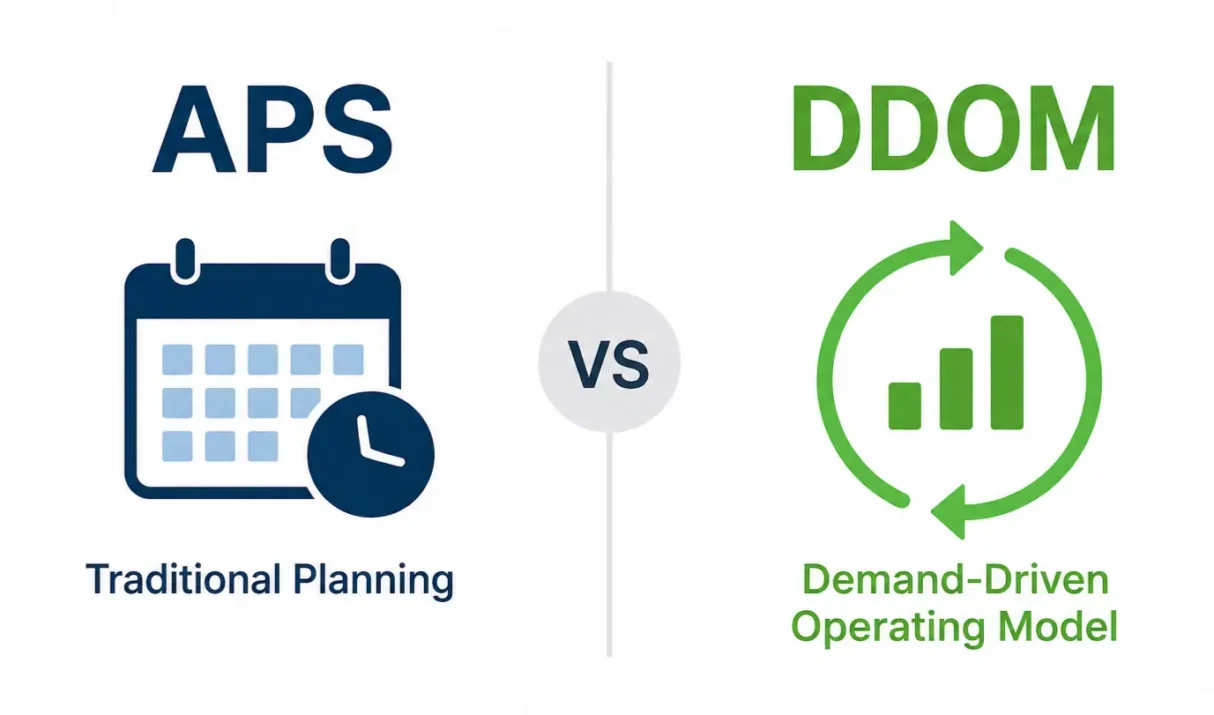
In supply chain planning, many companies compare APS vs DDOM when they want to improve service levels, reduce inventory and make better planning decisions. APS, or Advanced Planning and Scheduling, is often associated with advanced planning solutions, optimization and constraint-based planning. DDOM, or Demand Driven Operating Model, takes a different approach. It focuses on actual

Introduction: Mastering the Core Planning Functions for Daily Efficiency Efficient inventory management is the backbone of any successful business, ensuring that products are purchased, manufactured, and distributed in a timely and cost-effective manner. At b2wise we believe that to achieve this daily efficiency four essential planning functions play pivotal roles: scheduling, planning, forecasting, and

It is no secret that the top brass often gets dazzled by the latest tech buzzwords—AI, machine learning, autopilot, touchless, you name it. But when it comes to choosing the right tools for supply chain planning, there’s a bit more to it than just going after the newest shiny gadgets. The Real Challenge

As I traversed the globe this year, engaging in discussions with various C-level executives, both from major multinationals and local mid-size regional organizations, I delved into their primary concerns within the realm of supply chain planning. From these dialogues, and when removing the #DDMRP discussions, five key themes emerged. Undoubtedly, these themes will shape my

Have you ever felt the pull of the new wave of Enterprise Performance Management (EPM) tools that promise high configurability to meet your company’s specific needs? They offer a blank canvas and an array of functions which can be easily adapted to your business’s unique requirements. But let’s cut to the chase: the dream
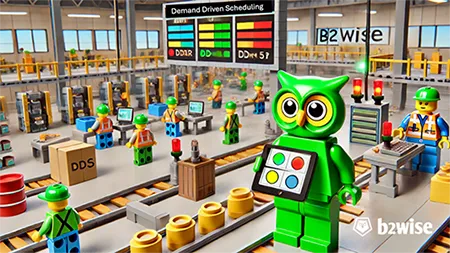
If you’re using a traditional scheduling system, chances are it’s built around forecast-driven dates and ideal capacity models that rarely hold up in reality. Schedules get frozen. Constraints get ignored. And planners end up micromanaging every disruption. That’s why more manufacturers are moving to Flow-Driven Scheduling (FDS)—a smarter way to manage the shop floor. FDS